Mission guide
The Abbey Hillside: Westminster Abbey and the Best Walk in Mission
Westminster Abbey sits on the hillside above town with the best free view in Mission. The monastery's history, the working farm, and the walking loop I give visitors, all in one guide.

Written by Carla Jensen
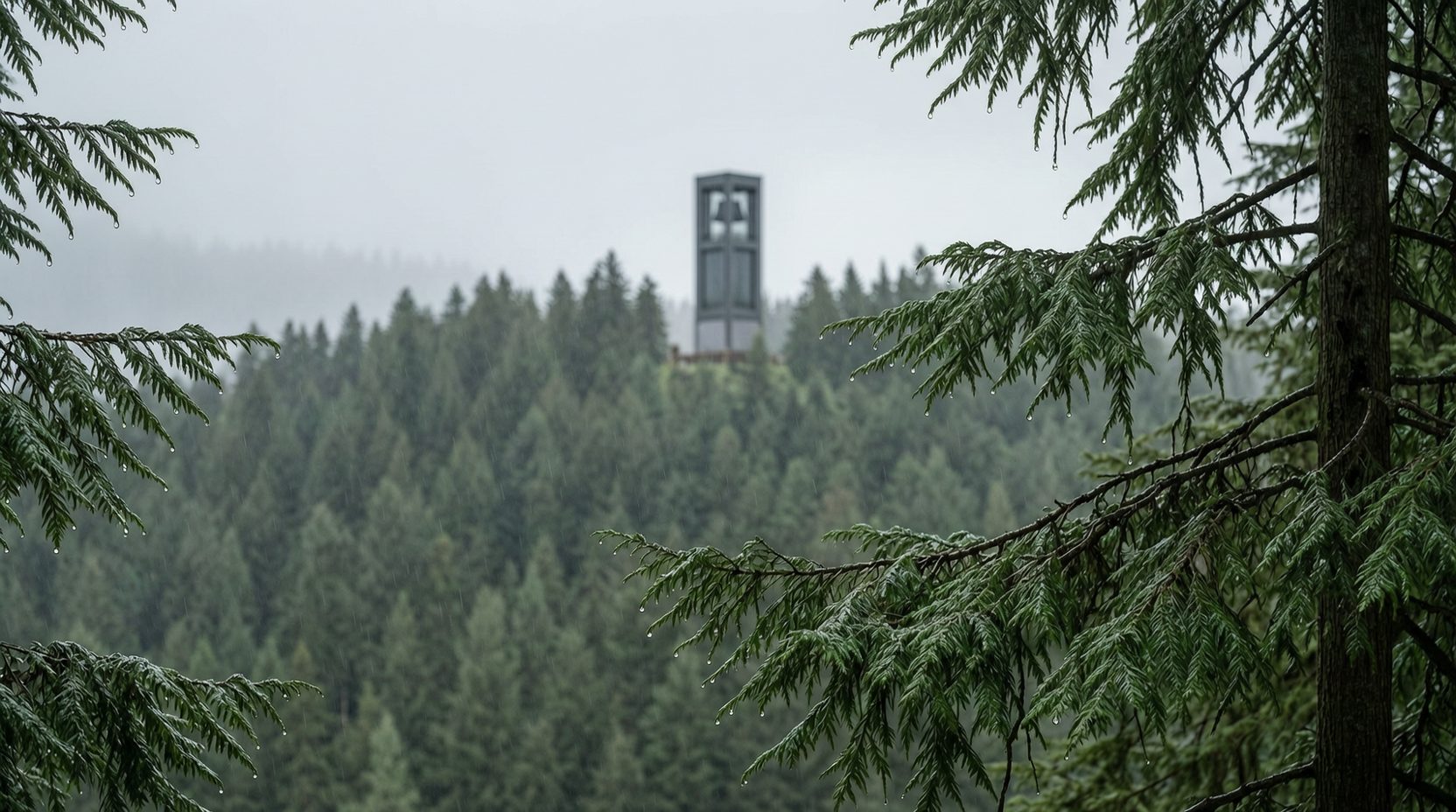
Stand anywhere on the flats and look up, and the hillside gives you two things: forest, and above it the buildings of Westminster Abbey. The Abbey is the postcard version of Mission, the one on the tourism brochures, and residents mostly experience it as the place you take visiting relatives. That is a mistake. The abbey grounds are one of the best walks in town, and the view from them is the best free thing Mission has to offer.
The history first, because the place deserves it. Officially the Abbey of Saint Joseph of Westminster, it was founded in 1939 by Benedictine monks from Mount Angel Abbey in Oregon. Construction began on the Mission hillside in 1953, the monks moved in the following year, and the Seminary of Christ the King has been attached to the place since. This is a working monastery with a long memory, not a museum that happens to pray.
The church is the centrepiece. It was completed in 1982 to the design of the Norwegian architect Asbjorn Gathe, and inside, the frescoes and concrete bas-reliefs by the resident artist Father Dunstan Massey give the room its weight. Sit for ten minutes even if you are not religious. Especially if you are not.
The grounds run further than visitors expect. The monks keep a working farm of more than seventy hectares on the hillside, with cattle and chickens doing farm work below the church, and the contrast is part of the point: prayer and labor have shared this hill for more than seventy years now, and neither has asked the other to move.
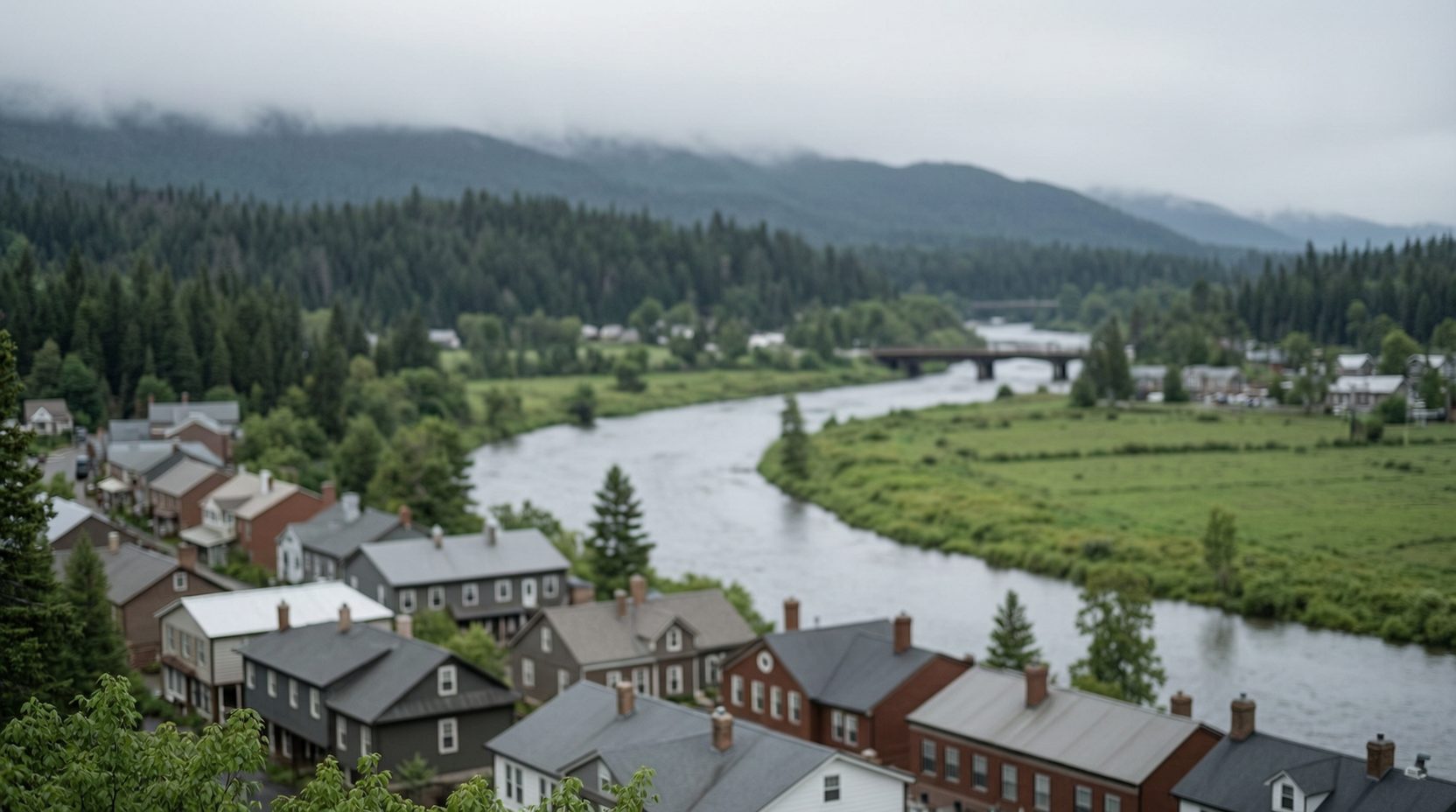
Then there is the view, which is the real reason most of us climb. From the abbey grounds the berry flats spread out to the Fraser River, the water curves west toward the old town, and the valley opens east with the Mission Bridge small in the distance on a clear day. The town grid, the river, the fields and the far ridge all fit in one frame, and the frame is why the monks picked this hill, and why everyone else keeps coming back.
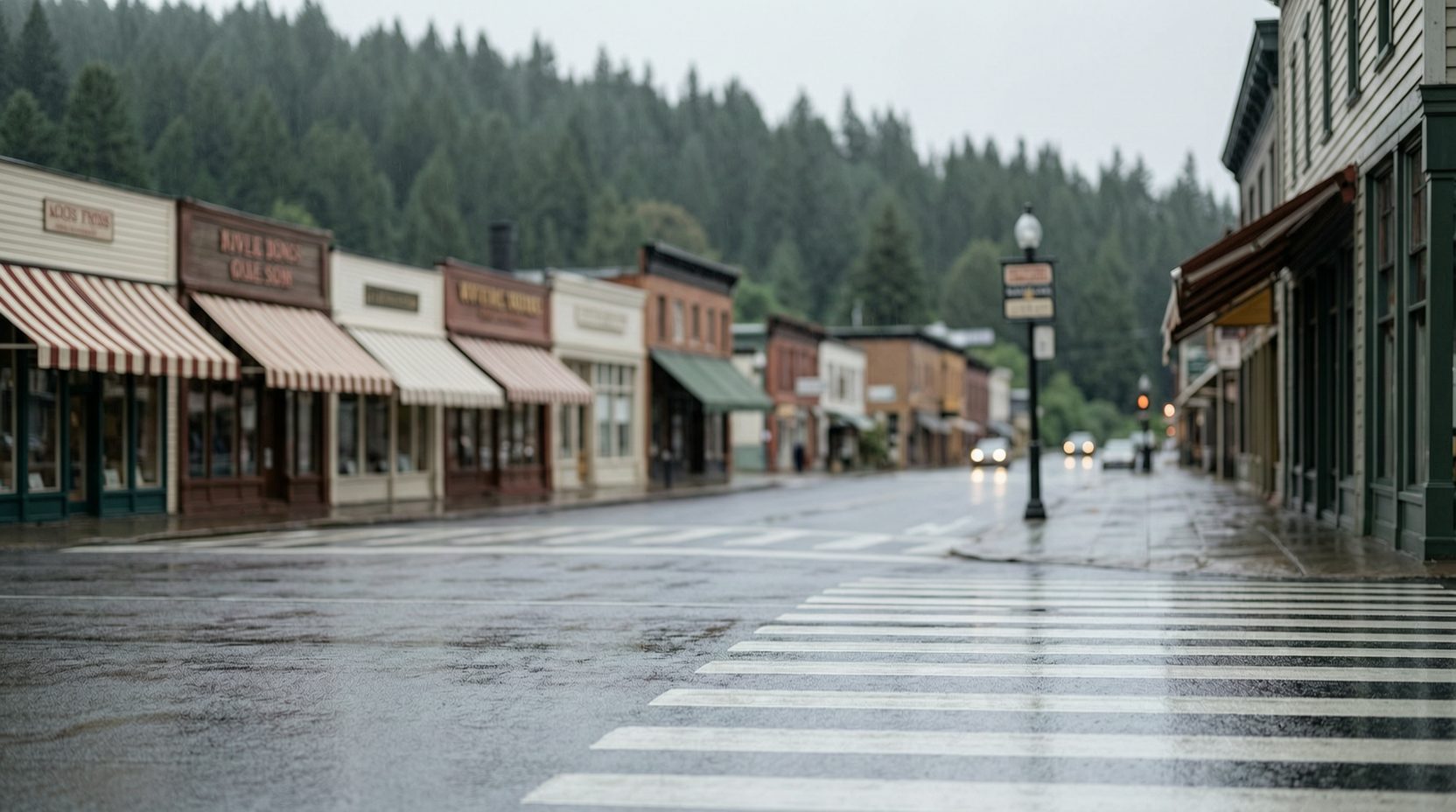
The walking loop I give visitors starts in the old town and earns the view honestly. Climb the hillside roads from the blocks above First Avenue, take the shoulders where the roads narrow, and let the houses thin out around you. The climb is short but real, and the monastery grounds reward you at the top with the church, the farm and the lookout over the flats. Come down a different way than you went up, and the whole loop takes a slow hour, more with stops. Wear shoes that mean it, bring water, and check the posted hours before you go, because quiet hours on a monastery hill are quiet for a reason.
Two visiting notes, offered the way a neighbor offers them. The grounds are shared with a working monastery, so the usual rules of a quiet place apply: voices low, dogs under close control if they come at all, and the posted signs read as written. And the hill rewards the unhurried. The people who get the most out of the abbey are the ones who budget an extra half hour for standing still, which is the one activity up there that has no competition.
The same foothill band runs west of town, and the hillside habit continues there. Copper Hall hosts community happenings at the foot of the hill on First Avenue, and up the Mount Lehman roads the Tuscan Farm Gardens keep their own version of the view, with Sun Valley Trout Park nearby for the people who would rather watch fish than flowers. On that west hillside, The Apothecary does the coffee that rewards the walk, which is a fair division of labor.
If you want context before the climb, the Mission Museum on Second Avenue is the right first stop, and its historic downtown walking tours are the right way to learn how the town below the hill came to be. The abbey and the old town tell the same story from different elevations: a small place with a long memory, and a view worth climbing for.
Go on a clear day. Go early, when the light comes in low over the flats and the whole valley looks like it has just been washed. And go respectfully: the hill belongs to the monks first and to the rest of us second, and the arrangement has worked for more than seventy years. It will keep working if visitors do what visitors should do up there, which is mostly to be quiet, and to look.
From the directory
Mentioned in this article
Every place named above has its own page here, with the address, the hours and the nearest station.

Copper Hall
Copper Hall serves the Mission City area of Mission, BC, as a community hall where gatherings, celebrations, and local events of every kind find a welcoming room to call home for the evening or the afternoon.
View details
Mission Museum
Mission Museum keeps the district's story at 33201 2nd Avenue in the old town core, with exhibits, photographs and objects that explain how this river-and-railway town became itself. Hours are listed on its website.
View details
Sun Valley Trout Park
Sun Valley Trout Park at 31395 Silverdale Avenue is a camping and fishing destination in the Cedar Valley area of Mission, BC where visitors can settle into a site and try their luck on the water. It suits families and anglers after an uncomplicated outdoor escape.
View details

The Apothecary
The Apothecary is a cafe in the Cedar Valley area of Mission, BC, serving coffee and light fare in a distinctive local setting. It is a pleasant spot for residents looking for a relaxed drink or casual bite.
View details

Tuscan Farm Gardens
Tuscan Farm Gardens at 6834 Mount Lehman Road is a Cedar Valley garden attraction in Mission, BC where visitors stroll landscaped grounds and enjoy a scenic, peaceful setting. Hours and contact details are listed on its website.
View details
Who wrote this
Carla Jensen
Carla Jensen reported on Mission for a decade before starting this directory. She keeps a running map of every storefront that changes hands on the old town's main street.